


What is a Credit Score?
A Credit Score is a number between 300 and 900 that helps banks and other lending organisations decide whether you can be trusted when you apply to borrow money. Besides Credit Scores, lenders also figure this out by looking at things like how well you have paid back loans before, how much money you owe, and how many new loans you have recently opened.
In the UAE, your Credit Score is worked out using information from different institutions like banks, government entities, financial institutions, courts, utilities and telecom companies. They focus on two main things how well you pay back what you owe and how much credit you use compared to what you can borrow.
Range
Credit Score Ranges
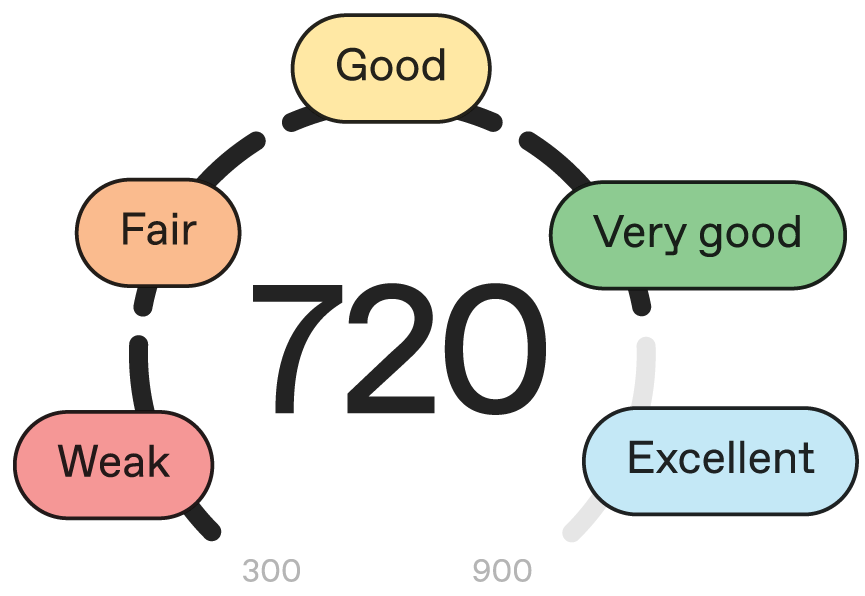
In the UAE, Credit Scores managed by the Etihad Credit Bureau range from 300 to 900. Scores between 300 and 540 are considered poor, and individuals in this range may face significant difficulty securing loans or credit. A score of 541 to 650 falls into the Weak category, indicating moderate default risk. Scores in the 651 to 710 range are viewed as good, suitable for most financial products. Anything from 711 to 745 is regarded as very good, while scores between 746 and 900 are considered excellent, offering minimal risk and unlocking access to premium financial benefits. Just like elsewhere, having a poor score doesn’t mean financial exclusion—options such as secured credit products or building credit responsibly can help improve your score over time
While the Credit Score is an essential metric for lenders to assess risk, it is important to note that the final decision on providing a facility rests with the individual bank, financial institution, or other lending entity, each applying their specific internal processes and assessment tools.
Impact
Why Credit Scores Matter
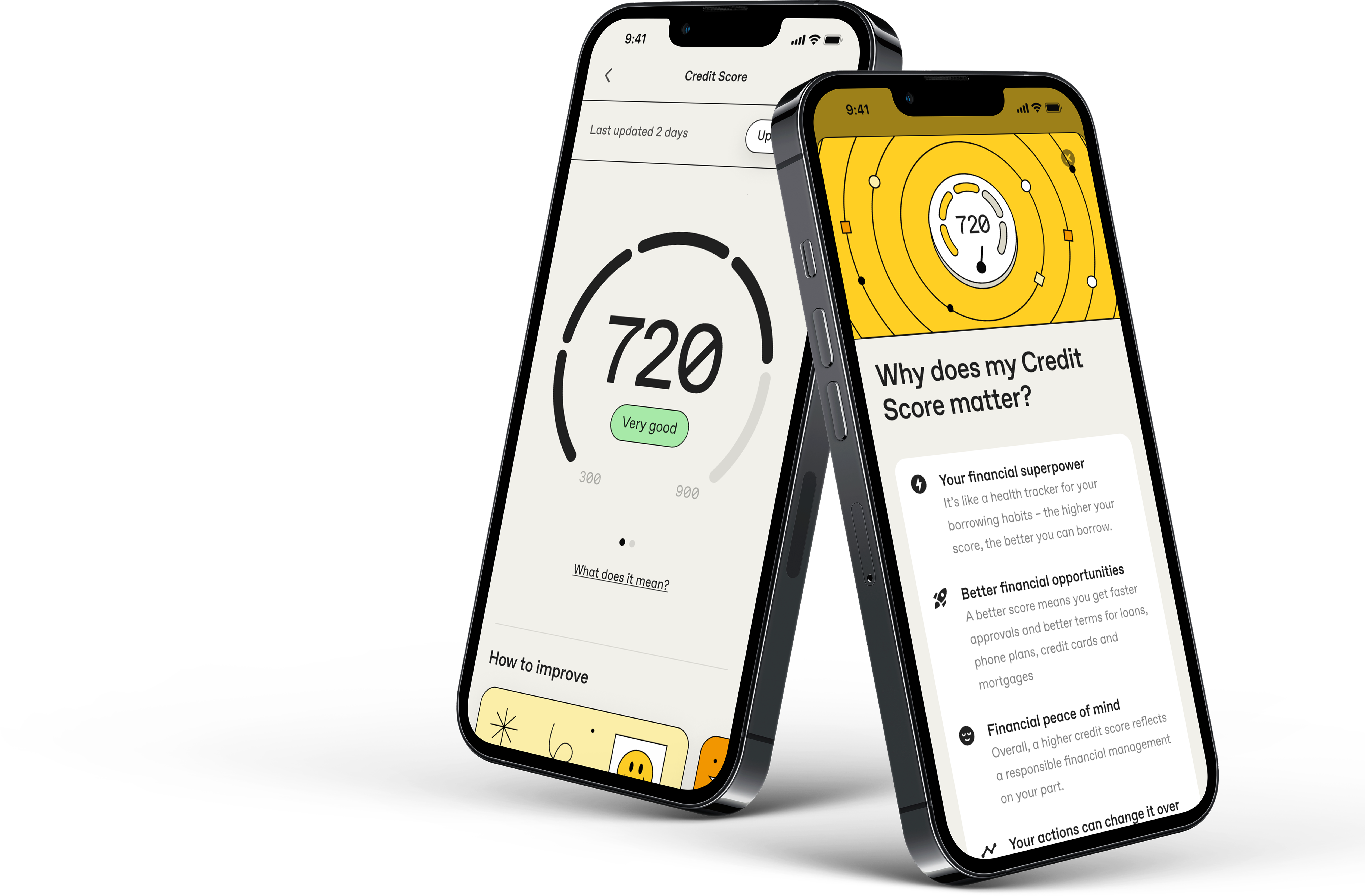
In the UAE, a good Credit Score generally starts from 651 and above, with scores of 711 and higher offering even greater financial advantages. Lenders favor higher scores as they reflect lower risk, which often leads to faster approvals, lower interest rates, and enhanced credit limits. Maintaining a strong Credit Score is therefore a key factor—not only in securing loans and credit cards but also in shaping broader financial opportunities across the United Arab Emirates.
Benefits
- Gain more confidence
- Lower Interest Rates
- Increased Credit Limits
- More straightforward Loan Approvals
- Impact on Career
Tools & Techniques
How to Improve Credit Score in UAE?
Pay Your Bills on Time
Timely payment of all obligations—such as rent, credit cards, loans, and utility bills—has the strongest impact on your Credit Score. Consistency shows responsibility and builds trust with lenders.
Manage Your Credit Utilization
Keep your credit card balances low relative to your limits. Using more of your available credit can negatively affect your score. Staying within this threshold demonstrates responsible credit management.
Limit New Credit Applications
Each new credit application triggers a hard inquiry on your report, which may lower your score slightly. Multiple inquiries in a short time can compound the effect. Apply for new credit only when necessary.
Diversify Your Credit Mix
A balanced portfolio of credit types (e.g., mortgage, credit card, personal loan) reflects your ability to manage different forms of borrowing and can improve your overall score.
Review Your Credit Report Regularly
Checking your report allows you to identify and dispute errors that could reduce your score. In the UAE, you can obtain your report directly from the Etihad Credit Bureau App.
Prioritize Paying Off Debt
Focus on reducing outstanding debt, especially high-interest balances. If you face financial challenges, consider negotiating payment plans with your creditors.
Frequently Asked Question
- Making payments on or before the due date.
- Avoiding bounced cheques.
- Reducing the number of credit cards and loans.
- Reducing outstanding balances and credit card limits utilization.
- You do not have enough information in the last 24 Months.
- You are a new borrower with less than 6 months of payment history.
- You are not a borrower yet.
- Your credit report has not been updated in the last 12 Months and no recent activity can be used to calculate the credit score.
- You have not used your credit limits in the last 12 Months.